
Back to blog
Saglemi housing is back on the buyer checklist, but affordability will depend on the details
The first 700 Saglemi homes are expected by March 2027. For buyers and investors, the real question is not only when the units are ready, but how pricing, mortgages, infrastructure, and allocation will work.
By The MotherlandApp Team - Aug 31, 2026
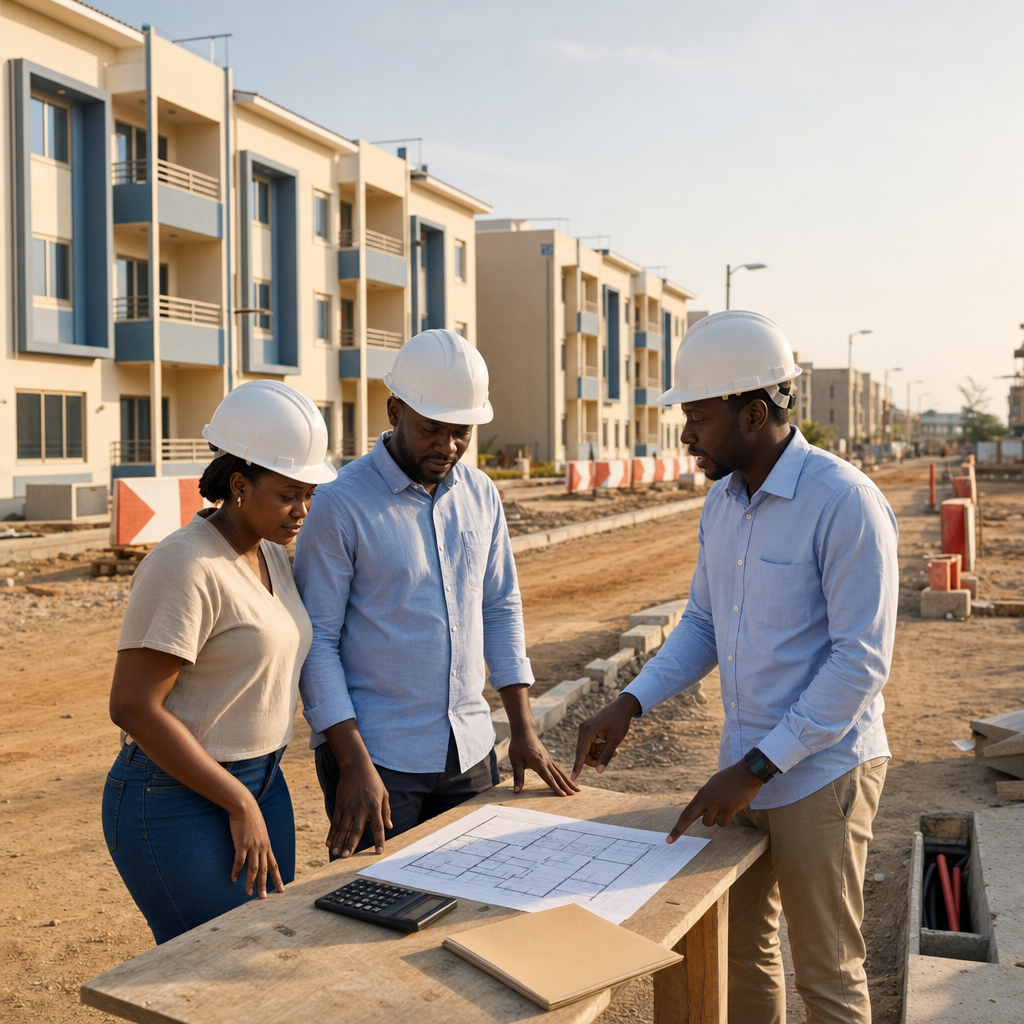
Ghana's affordable housing conversation has a new practical focus. The long delayed Saglemi Affordable Housing Project is back in the news, with government and the private developer indicating that the first 700 units are expected to be ready by March 2027, and the first phase of about 1,500 units targeted by December 2027.
For people looking to buy, rent, or invest, this is more than a political headline. It is a reminder that new housing supply can change real decisions, but only when the details are clear. The Saglemi announcement gives buyers a reason to prepare, but not a reason to rush into informal payments or assumptions.
What has been announced
During an August 2026 site inspection, government said the revived Saglemi project is expected to deliver its first 700 homes by March 2027. The wider first phase is expected to reach about 1,500 homes by the end of 2027, with the original project having been conceived as a 5,000 unit affordable housing estate.
Reports also indicate that the current phase is being handled through private sector participation, with LMI involved in the redevelopment. The Presidency said the homes include two and three bedroom apartments, and that critical services such as water supply and fibre connectivity were part of the site infrastructure plan.
That matters because a home is not just the building. For families moving into a new estate, daily life depends on water reliability, power, roads, internet, transport access, schools, markets, security, and maintenance arrangements.
Why this matters for buyers
Many Ghanaian buyers are not only looking for a nice house. They are looking for a home that can be financed without destroying monthly cash flow.
The Saglemi update comes at a time when housing finance is receiving renewed attention. The National Homeownership Fund recently announced that lending under the National Mortgage Scheme would resume at 8.4 per cent, following a review with Republic Bank. The Fund also said it continues to work on mortgage, rent-to-own, and developer financing interventions.
That does not automatically mean every Saglemi buyer will receive the same terms. It does mean buyers should start preparing the documents lenders usually request, including proof of income, bank statements, employer details, tax records where relevant, identification, and evidence of savings for deposits and transaction costs.
If the official registration process opens, serious buyers should compare the final selling price, deposit, monthly repayment, tenor, service charges, and maintenance obligations before committing.
Do not treat the timeline as a purchase contract
A completion target is useful, but it is not the same as a signed sale agreement. Buyers should wait for official allocation procedures, published prices, verified payment channels, and clear mortgage terms.
This is especially important because high demand for affordable housing can attract middlemen, fake forms, and unofficial promises. If a registration portal opens, use only official channels and keep records of every step. Do not pay cash to an individual who claims to have special access.
Before paying any reservation fee or deposit, ask these questions:
1. What is the final price of the unit?
2. Is the price fixed in cedis, dollars, or a cedi equivalent?
3. What is the deposit requirement?
4. Which banks or housing finance institutions are participating?
5. What monthly repayment applies to your income level?
6. Are there service charges, estate dues, insurance costs, or maintenance levies?
7. When will the unit be legally handed over?
8. What title or ownership documentation will buyers receive?
9. What defects liability period applies after handover?
10. Who manages the estate after occupation?
What renters and landlords should watch
If Saglemi delivers at scale, it could eventually add meaningful supply to the Greater Accra commuter belt. But renters should be realistic. A first batch of 700 homes will not solve Accra's rental pressure overnight.
The practical effect may first be felt among households that are ready to move from renting into ownership, especially if mortgage support is genuinely accessible. If some renters become buyers, that can reduce pressure in certain rental segments over time.
Landlords should also pay attention. New, serviced estates can raise tenant expectations. Renters increasingly compare not only rent, but water, roads, security, internet access, commuting time, and the quality of property management. A landlord with an older property may need to improve maintenance if nearby new supply becomes attractive.
What investors should consider
Investors should avoid treating Saglemi as a quick flipping story. The stronger investment question is whether the area can become a functioning residential community with stable demand.
That depends on several practical factors:
- How quickly the first residents move in.
- Whether roads, water, power, sanitation, and internet work reliably.
- Whether transport links support daily commuting.
- Whether schools, shops, health services, and local jobs grow around the estate.
- Whether estate management keeps the environment clean, safe, and orderly.
- Whether resale and rental rules are clearly communicated.
Investors should also compare Saglemi with nearby alternatives in Prampram, Ningo Prampram, Dawhenya, Tema, Afienya, and other parts of the eastern Accra growth corridor. Asking prices in Ghana remain highly location sensitive, and recent market data continues to show a wide gap between Accra and other regions, as well as wide variation in land prices by district.
A useful sign, but still a due diligence story
The strongest part of the Saglemi update is that it gives the market a visible supply milestone. Ghana's housing problem cannot be solved only by telling landlords not to take long rent advances. More homes, better financing, and properly serviced communities are needed.
Still, buyers should be patient and disciplined. A project can be promising and still require careful checks. The most important details for ordinary buyers are still the final unit prices, eligibility rules, mortgage terms, payment process, title documentation, and handover conditions.
MotherLandapp readers should treat Saglemi as a watchlist opportunity, not a rumour market. Track verified updates, compare nearby listings, check affordability against your real income, and avoid any unofficial payment request.
What this means for buyers, sellers, and investors
For buyers, Saglemi could become a serious affordable ownership option if the final prices and mortgage terms match household incomes. Start preparing your financial documents, but wait for official registration and published terms.
For renters, the project is worth watching because new supply can gradually ease pressure, especially if renters are able to transition into ownership. But do not expect immediate rent reductions from one project alone.
For sellers and landlords, new serviced estates can raise the standard buyers and tenants expect. Maintenance, water, security, access roads, and transparent pricing will matter more.
For investors, the opportunity is not only the units themselves. It is the wider growth of a serviced residential node near Prampram, if infrastructure, transport, and estate management are delivered well.
Sources
- Government to Commission First 700 Saglemi Homes by March 2027, Information Services Department
- First 700 Saglemi housing units ready by March 2027, The Presidency
- Mahama targets 700 Saglemi housing units for completion by March 2027, MyJoyOnline
- NHF to resume mortgage lending at 8.4 per cent, Ghana News Agency
- Ghana Property Market Report Q3 2026, Ghana Property Centre